
floodstop manual
Floodstop Manual: A Comprehensive Guide

Navigating the complexities of flood preparedness and mitigation requires a detailed, accessible resource. This manual provides essential guidance, covering everything from risk assessment to recovery, ensuring homeowner safety.
Understanding Flood Risks
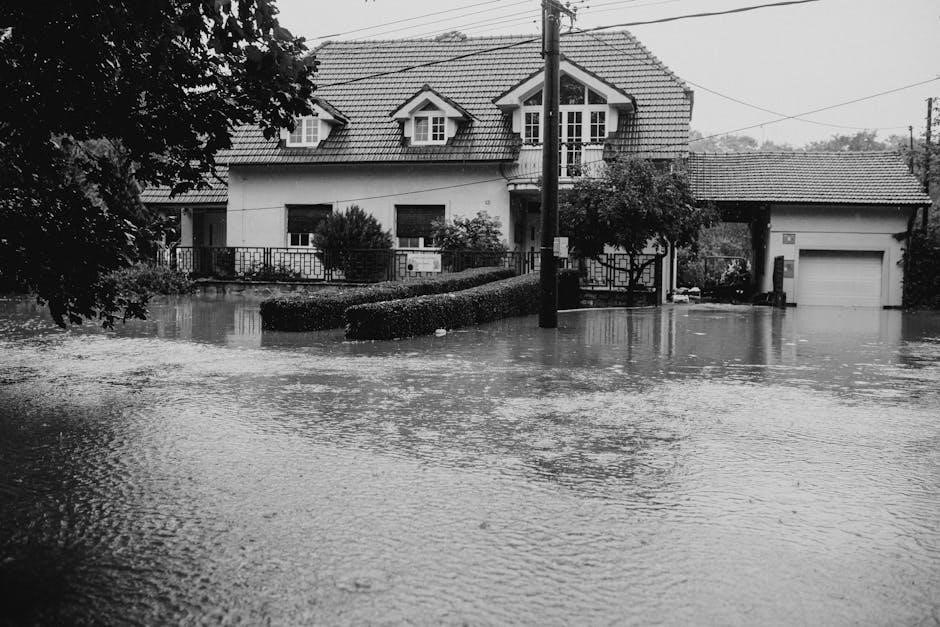
Flooding represents a significant and growing threat to properties worldwide, driven by climate change and increasing urbanization. It’s crucial to recognize that flood risks aren’t limited to areas near major rivers; they can occur anywhere with sufficient rainfall. Understanding the various factors contributing to flooding is the first step towards effective preparedness.

These factors include prolonged rainfall, overflowing drainage systems, storm surges, and levee failures. The intensity and frequency of extreme weather events are increasing, exacerbating these risks. Furthermore, changes in land use, such as deforestation and paving over natural ground cover, can reduce the land’s ability to absorb water, leading to increased runoff and a higher likelihood of flooding. Ignoring these risks can lead to devastating consequences, including property damage, displacement, and even loss of life.
Identifying Your Flood Zone
Determining your property’s flood zone is paramount for understanding your level of risk and making informed decisions about flood preparedness. Flood zones are geographic areas defined by the Federal Emergency Management Agency (FEMA) to indicate the probability of flooding.
You can utilize FEMA’s Flood Map Service Center (MSC) online to identify your zone. This tool allows you to enter your address and view official flood maps. Different zones signify varying degrees of risk; for example, high-risk zones (like Zones A and V) have a 1% annual chance of flooding, while moderate- and low-risk zones have decreasing probabilities. However, even properties in low-risk zones are not immune to flooding.
Local community planning departments can also provide valuable information regarding local flood history and drainage patterns. Understanding your flood zone is the foundation for appropriate mitigation strategies and insurance requirements.
Types of Flooding: Riverine, Coastal, Flash
Flooding manifests in diverse forms, each demanding unique preparedness strategies. Understanding these distinctions is crucial for effective mitigation. Riverine flooding occurs near rivers and streams, often resulting from prolonged rainfall or snowmelt, leading to gradual rises in water levels. This type allows for some warning time.
Coastal flooding is driven by storm surges, high tides, and wave action, impacting low-lying coastal areas. Hurricanes and nor’easters are primary causes, bringing rapid and extensive inundation. Flash flooding, the most dangerous, develops quickly – within six hours of rainfall – often due to intense, localized storms.
Flash floods offer minimal warning and can occur even far from rivers. Terrain plays a significant role; steep slopes and urban areas exacerbate flash flood risk. Recognizing the specific type of flooding prevalent in your area informs appropriate protective measures and evacuation plans.
Assessing Your Property’s Vulnerability
A thorough property assessment is the cornerstone of effective flood preparedness. Begin by evaluating your elevation relative to nearby water sources – rivers, streams, or coastlines. Low-lying areas are inherently more vulnerable. Examine your property’s drainage systems; are gutters clear and downspouts directed away from the foundation?
Consider the surrounding landscape. Impervious surfaces like pavement increase runoff, while natural vegetation can absorb excess water. Inspect your foundation for cracks or weaknesses that could allow water intrusion. Review historical flood data for your area; past events indicate potential future risks.
Document potential entry points for floodwater – doors, windows, and basement openings. Assess the value of items stored in vulnerable areas. This assessment informs decisions about mitigation measures, insurance coverage, and evacuation planning, ultimately minimizing potential damage and ensuring safety.

Pre-Flood Preparation
Proactive measures are vital for minimizing flood impact. Develop a comprehensive plan, assemble essential supplies, and safeguard valuables to enhance resilience and ensure family wellbeing.
Creating a Family Emergency Plan
A well-defined family emergency plan is paramount during a flood threat. Begin by identifying a safe meeting location, both near your home and outside your immediate area, in case of evacuation. Ensure every family member knows this location. Designate a communication hub – an out-of-state contact – as local networks may become overwhelmed.
Practice evacuation routes with all family members, including those with mobility challenges. Discuss potential scenarios and assign responsibilities. Include pet care in your plan; identify pet-friendly shelters or boarding facilities. Maintain copies of important documents (insurance, identification) in a waterproof container and digitally backed up. Regularly review and update the plan, at least twice a year, to reflect changing circumstances like new school schedules or addresses. Consider special needs of family members, such as medical requirements or dietary restrictions, within the plan.
Building a Flood Emergency Kit
A comprehensive flood emergency kit is crucial for self-sufficiency during and after a flood event. Include a three-day supply of non-perishable food and water (one gallon per person per day). Essential items encompass a battery-powered or hand-crank radio, a NOAA weather radio with tone alert, and a flashlight with extra batteries.
First-aid supplies, medications, and a whistle to signal for help are vital. Don’t forget a dust mask to help filter contaminated air; Include hygiene items, moist towelettes, garbage bags, and plastic ties for sanitation. Copies of important documents (in a waterproof bag), a manual can opener, local maps, and a cell phone with a portable charger are also necessary. Consider adding cash, as ATMs may be unavailable. Finally, include items for specific family needs, like baby supplies or pet food, ensuring everyone is prepared.
Protecting Important Documents & Valuables
Safeguarding essential documents and irreplaceable valuables is paramount before a flood. Gather vital records – birth certificates, passports, insurance policies, deeds, and financial information – and store them in a waterproof and fireproof safe or container. Digitally scan these documents and back them up to a secure cloud storage service for offsite access.
Elevate valuables like jewelry, family photos, and sentimental items to higher levels of your home, ideally above the predicted flood level. Consider a safety deposit box at a bank for extremely valuable items. Create a detailed inventory of your possessions, including photos or videos, to aid in insurance claims. Remember to protect electronic devices by backing up data and storing them safely. Proactive measures minimize potential losses and streamline the recovery process.
Elevating Utilities & Appliances
Protecting your home’s essential systems from flood damage is crucial. Elevate critical utilities like the electrical panel, furnace, water heater, and air conditioning unit above the base flood elevation, if feasible. This minimizes the risk of electrical shock and damage to expensive equipment. Consider raising appliances like washers and dryers onto concrete blocks or platforms.
For appliances that cannot be easily elevated, explore floodproofing options like sealing around them. Ensure sump pumps are functioning correctly and have a backup power source. Regularly inspect and maintain all elevated systems. Proper elevation significantly reduces potential damage and ensures quicker restoration of services post-flood. Prioritizing these steps safeguards your home and minimizes disruption during and after a flood event.

Flood Defense Systems
Implementing robust defense strategies is vital for protecting your property. Explore options like sandbagging, water barriers, sump pumps, and backflow valves for comprehensive flood mitigation.
Sandbagging Techniques: Effective Placement & Limitations
Sandbagging remains a frequently utilized, cost-effective method for diverting floodwaters, but its effectiveness hinges on proper technique. Begin by filling bags approximately two-thirds full, ensuring a tight seal. Placement is crucial; stagger bags like brickwork, overlapping seams to create a continuous barrier. Compact each layer firmly to minimize water penetration.
Focus sandbag walls around doorways, windows, and other vulnerable entry points. Build walls gradually, increasing height as needed, angling them slightly towards the oncoming water flow. Remember, sandbags are most effective against shallow, slow-moving floods.
However, sandbagging has limitations. They are labor-intensive to install and require significant quantities of sand. They are not suitable for deep or rapidly flowing water, and can be breached if improperly constructed or overwhelmed. Consider sandbagging as a temporary measure, supplementing other flood defense systems, and be aware of potential weight-related structural issues for your building.
Water Barriers: Types & Installation
Beyond sandbags, a variety of water barriers offer varying levels of flood protection. These include inflatable barriers, often used for temporary perimeter defense, and rigid barriers constructed from materials like aluminum or composite plastics. Aqua dams, long tubes filled with water for weight, are also gaining popularity for their ease of deployment.
Installation varies significantly by type. Inflatable barriers require a level surface and a reliable pump. Rigid barriers often utilize interlocking panels, needing secure anchoring to prevent displacement. Aqua dams need a clear path and sufficient water source for filling.
Proper installation is paramount. Ensure barriers are correctly sealed and anchored to withstand water pressure. Consider the height of potential floodwaters and choose a barrier accordingly. Regularly inspect barriers for damage or leaks. While offering superior protection compared to sandbags in some scenarios, they represent a greater financial investment.
Sump Pumps: Selection, Installation & Maintenance
Sump pumps are crucial for removing water that accumulates in basements and crawlspaces, mitigating flood damage. Two primary types exist: submersible pumps, placed directly in the sump pit, and pedestal pumps, with the motor above the water level. Horsepower dictates pumping capacity; higher horsepower handles greater volumes.
Installation typically involves digging a sump pit, placing the pump, and connecting discharge piping leading away from the foundation. A check valve prevents backflow. Professional installation is recommended to ensure proper functionality and avoid voiding warranties.
Regular maintenance is vital. Clean the pump intake screen periodically to prevent clogging. Test the pump’s operation before flood season. Consider a battery backup system in case of power outages. Annual inspection by a qualified technician can extend the pump’s lifespan and ensure reliable performance.
Backflow Valves: Preventing Sewer Backup
During floods, municipal sewer systems can become overwhelmed, leading to sewage backing up into homes. Backflow valves, also known as check valves, are installed on sewer lines to prevent this hazardous situation. These valves allow wastewater to flow out of the house but automatically close if water attempts to flow back in.
There are several types of backflow valves, including flap valves, spring check valves, and gate valves. Professional installation is strongly advised, as improper installation can restrict flow or create new problems. Local plumbing codes often dictate the type of valve required.
Periodic inspection and maintenance are essential. While generally low-maintenance, valves should be checked annually for proper operation and debris buildup. Addressing potential issues proactively can prevent costly and unsanitary sewer backups, safeguarding your home and health.

During a Flood Event
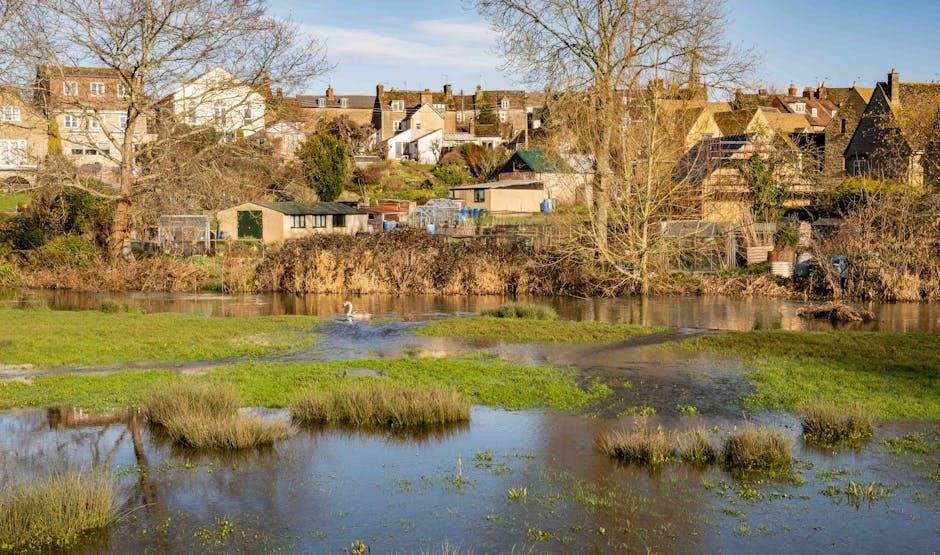
Immediate action is crucial: heed warnings, prioritize safety, and protect life. Evacuate promptly if ordered, disconnect utilities, and avoid contact with floodwaters.
Heeding Evacuation Orders
Evacuation orders are issued based on expert assessment of imminent danger and should be taken with utmost seriousness. Delaying evacuation puts your life and the lives of first responders at risk. Understand that authorities don’t issue these orders lightly; they are based on projected flood levels and potential hazards.
When an evacuation order is given, act immediately. Do not attempt to gather belongings beyond essential items – your safety is paramount. Secure your home as best as possible by shutting off utilities (if instructed) and moving valuables to higher levels. Follow designated evacuation routes, as roads may become impassable.
Inform family members and neighbors of your evacuation plans. If you have pets, ensure their safe transport. Listen to local news and emergency broadcasts for updates and instructions. Do not return home until authorities declare it safe to do so, as residual dangers may persist even after floodwaters recede.
Shutting Off Utilities: Electricity, Gas, Water
Prior to a flood or when instructed by authorities, disconnecting utilities is a critical safety measure. Electrical hazards are particularly dangerous in floodwaters; immediately shut off power at the main breaker if it’s safe to do so. Avoid contact with electrical equipment if standing in water.
For gas lines, if you smell gas or suspect a leak, evacuate immediately and contact the gas company from a safe location. Do not attempt to shut off the gas yourself unless trained and it’s safe. Water should be turned off at the main valve to prevent contamination and potential structural damage.

Knowing the location of your utility shut-off points before a flood event is crucial. Clearly label these locations for quick access. Document the shut-off procedures and keep this information with your emergency kit. Remember, restoring utilities should only be done by qualified professionals after the floodwaters have receded and the area is deemed safe.
Safe Evacuation Procedures
When an evacuation order is issued, act promptly and follow designated routes. Prioritize life safety above all else – possessions can be replaced, but lives cannot. Designate a meeting point outside the flood zone for family members. If possible, assist neighbors who may need help evacuating, especially those with mobility issues.
Bring your pre-assembled emergency kit, including essential medications, important documents, and a means of communication. Avoid driving through floodwaters; even shallow water can sweep a vehicle away. If you must travel through flooded areas, proceed with extreme caution and be aware of hidden hazards.
Inform someone of your evacuation route and destination. Listen to local authorities for updates and instructions. Remember to turn off utilities before leaving, if it is safe to do so. Do not return to the flooded area until authorities declare it safe.
Avoiding Contact with Floodwater
Floodwater is rarely clean and poses significant health risks. It’s often contaminated with sewage, chemicals, debris, and potentially dangerous microorganisms. Direct contact can lead to skin infections, gastrointestinal illnesses, and other serious health problems. Always wear protective gear, including waterproof boots, gloves, and eye protection, if contact is unavoidable.
Never allow children to play in floodwater. Be especially cautious of submerged objects, which can cause injuries. Avoid wading or swimming in flooded areas, even if the water appears calm. Electrical hazards are also present; downed power lines can energize the water, creating a life-threatening situation.
Wash thoroughly with soap and clean water if you do come into contact with floodwater. Seek medical attention if you develop any symptoms of illness, such as fever, nausea, or skin rash.

Post-Flood Recovery
Returning home after a flood demands caution and a systematic approach. Prioritize safety, document damage thoroughly, and begin the essential cleaning and disinfection processes immediately.
Safety Precautions When Returning Home
Before re-entering a flood-affected property, prioritize safety above all else. Always assume floodwater contains hazardous substances – sewage, chemicals, and debris. Wear appropriate protective gear, including waterproof boots, gloves, and eye protection.
Inspect the building’s structural integrity; look for cracks, foundation shifts, or visible damage. Do not enter if the structure appears unstable. Be extremely cautious of electrical hazards. Never touch electrical equipment if you are wet or standing in water.
Turn off the main electrical power switch if it hasn’t already been done. Beware of gas leaks – if you smell gas, evacuate immediately and contact the gas company. Watch out for wildlife displaced by the flood, including snakes and rodents. Ensure proper ventilation to prevent mold growth and carbon monoxide buildup. Document everything with photos and videos for insurance purposes, but only after ensuring your immediate safety.
Documenting Damage for Insurance Claims
Thorough documentation is crucial for a successful insurance claim following a flood. Begin by contacting your insurance provider immediately to report the damage and understand your policy’s coverage. Meticulously photograph and video record all damage to the property, including structural elements, personal belongings, and landscaping.
Create a detailed inventory of damaged or lost items, including descriptions, estimated values, and dates of purchase if possible. Retain receipts for any temporary repairs or mitigation efforts undertaken. Do not discard damaged items until your insurance adjuster has inspected them.
Keep all communication with your insurance company in writing, and document dates and names of individuals you speak with. Obtain a claim number and track all claim-related expenses. A comprehensive and organized record will significantly streamline the claims process and maximize your potential recovery.
Cleaning & Disinfecting Flood-Affected Areas
Post-flood cleanup demands meticulous attention to health and safety. Before commencing, ensure the area is well-ventilated and wear protective gear – gloves, masks, and eye protection are essential. Remove all standing water and debris, discarding unsalvageable items responsibly.
Thoroughly clean all surfaces with a detergent solution to remove dirt and silt. Disinfecting is paramount; use a solution of bleach and water (follow recommended ratios carefully) on non-porous surfaces. For porous materials like carpets and drywall, professional cleaning or removal may be necessary.
Pay close attention to hidden areas where mold can thrive. Dry everything as quickly as possible using fans and dehumidifiers. Document the cleaning process for insurance purposes. Prioritize hygiene to prevent illness and ensure a safe return to your home.
Mold Prevention & Remediation
Mold growth is a significant post-flood concern, posing health risks and structural damage. Prevention begins with rapid drying – within 24-48 hours. Remove wet materials promptly, prioritizing porous items like carpets and upholstery. Ensure adequate ventilation by opening windows and using fans and dehumidifiers.
If mold appears, small areas (less than 10 square feet) can be addressed with a bleach solution (one cup bleach per gallon of water), scrubbing thoroughly and rinsing. For larger infestations, professional remediation is crucial. They possess specialized equipment and expertise to safely contain and remove mold.
Always wear protective gear during mold cleanup – respirators, gloves, and eye protection. Address the source of moisture to prevent recurrence. Document mold damage for insurance claims and consider professional inspection to ensure complete removal.










Leave a Comment