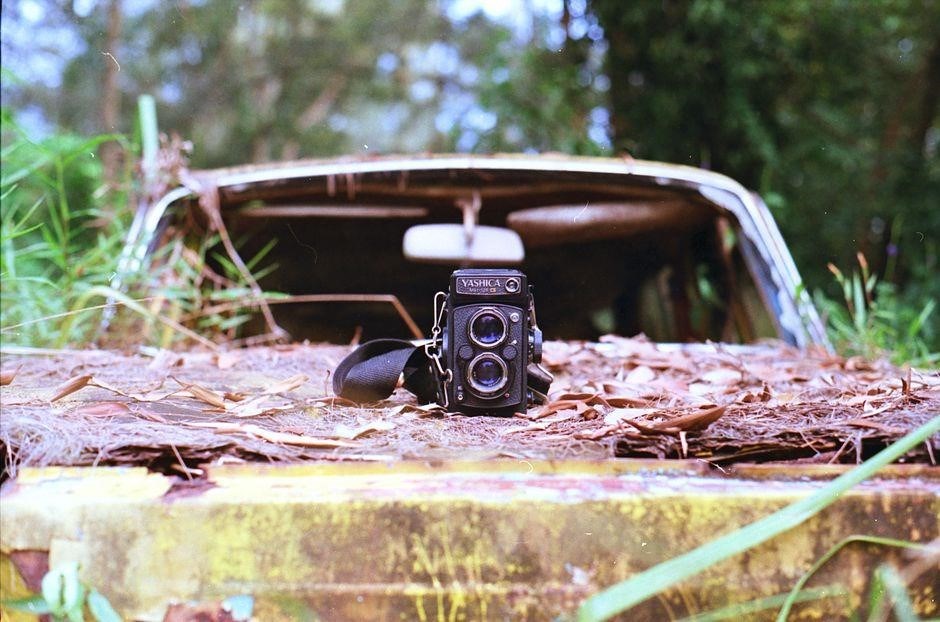
yashica mat 124 manual
Overview of Yashica MAT 124G
The Yashica MAT 124G manual covers twin‑lens design, 35 mm f/3.5 lens, 1–1/500 s shutter, 120/220 film, 12/24 exposures, exposure meter, loading steps, battery replacement, maintenance tips, and PDF download links. It also covers meter calibration, film advance, and troubleshooting tips with diagrams!!!!!
1.1 Historical Context and Market Position
Yashica, a Japanese camera manufacturer, launched the MAT‑124G as part of its twin‑lens reflex lineup in the early 1970s. The manual documents a design philosophy that combined compactness, affordability, and optical quality, targeting both amateur enthusiasts and semi‑professional photographers. By offering a 35 mm system that was lighter and more portable than larger formats, Yashica positioned the MAT‑124G to compete with contemporaries such as the Olympus Stylus, the Contax T, and other twin‑lens models that were gaining traction among street and travel shooters. The twin‑lens configuration provided a natural, intuitive shooting experience, allowing users to compose and focus with a single eye, which was a significant advantage for quick, on‑the‑go photography. The manual’s detailed, step‑by‑step instructions, along with the inclusion of PDF downloads from the Internet Archive, demonstrate Yashica’s early embrace of digital support tools, extending the camera’s usability beyond the physical manual. This strategy helped reinforce the brand’s reputation for reliability and user‑friendly design, cementing the MAT‑124G’s place in the history of twin‑lens cameras and securing its status as a staple for those seeking a versatile, portable 35 mm solution during a period of rapid technological evolution in the camera market. The manual’s diagrams and concise explanations made it easy for users to master film loading, exposure settings, and maintenance, ensuring reliable performance across shooting in conditions
1.2 Key Features and Innovations
The Yashica MAT‑124G manual showcases a suite of features that underscore its position as a pioneering twin‑lens reflex camera. At the core is a 35 mm f/3.5 lens constructed from four elements arranged in three groups, incorporating a high‑index glass to reduce chromatic aberration while maintaining a compact form factor. The lens is coupled to a fixed‑focus system that delivers crisp detail across the frame, ideal for street and travel photography. The COPAL‑SV shutter provides a versatile speed range from 1 s to 1/500 s, enabling photographers to capture motion blur or freeze action with equal ease. The camera’s dual‑film loading capability supports both 120 and 220 film packs, allowing users to choose between 12 or 24 exposures per roll, a feature that enhances shooting flexibility. A built‑in incident light meter offers a simple, reliable exposure scale, eliminating the need for external meters and simplifying exposure decisions in varied lighting conditions. The manual also details a battery compartment that accepts a single 1.5 V cell, with clear instructions for replacement and maintenance. Additionally, the document includes a section on cleaning procedures, lens care, and how to troubleshoot common issues such as film advance errors or shutter lag. Finally, the Yashica MAT‑124G manual is available as a PDF download from the Internet Archive complete with high‑resolution diagrams step‑by‑step guides and firmware update notes ensuring that users have both a physical and digital reference for optimal camera performance.
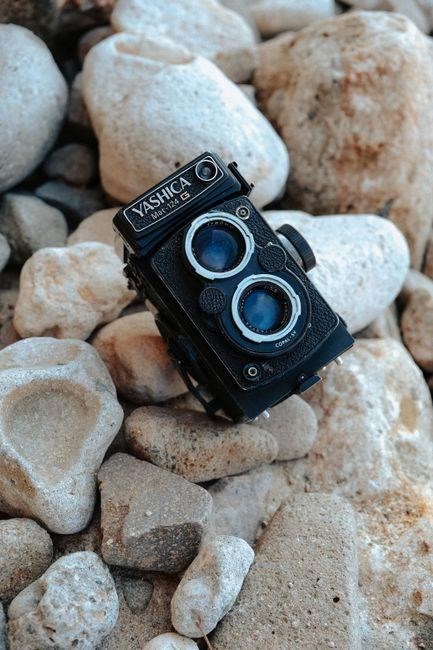
1.3 Comparison with Earlier Models (MAT-124)

Compared to the original MAT‑124, the MAT‑124G manual highlights several refinements that enhance usability and image quality. The lens assembly was upgraded to a 35 mm f/3.5 design with four elements in three groups, replacing the older 35 mm f/3.5 lens that suffered from higher distortion. This change delivers tighter edge sharpness and reduced chromatic aberration, especially noticeable in high‑contrast scenes. The shutter system was also revised: the MAT‑124G employs a COPAL‑SV shutter capable of speeds from 1 s to 1/500 s, whereas the earlier model was limited to 1 s to 1/250 s, giving photographers more flexibility in bright conditions. Battery life improved through a more efficient power draw; the newer camera uses a single 1.5 V cell with a longer operational period between replacements. Film loading instructions were clarified, with the manual now supporting both 120 and 220 rolls for 12 or 24 exposures, whereas the original required separate instructions for each format. Metering was simplified to a single incident light meter, eliminating the need for optional external meters that the earlier model sometimes required. The manual also introduces a new cleaning protocol for the twin‑lens assembly, addressing common dust accumulation issues that plagued the MAT‑124. Finally, the PDF version of the MAT‑124G manual includes high‑resolution diagrams and a troubleshooting section that was absent from the original manual, making maintenance and repair more accessible to users. These enhancements collectively position the MAT‑124G as a more reliable and user‑friendly successor to the original MAT‑124, while maintaining the classic twin‑lens reflex aesthetic that defined the series!
Technical Specifications
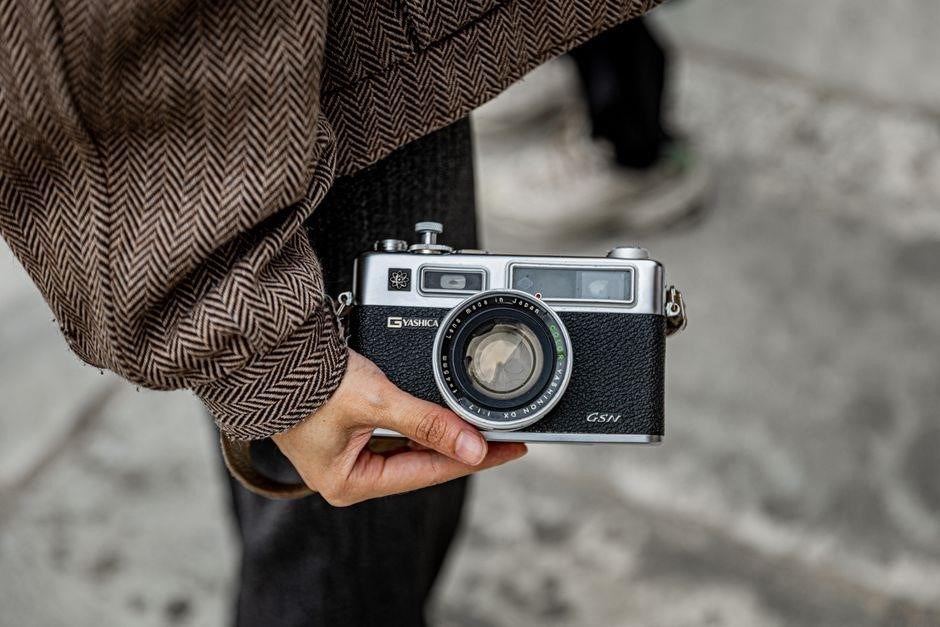
The manual’s technical specifications section provides a concise snapshot of the camera’s build, optics, and performance, guiding users through the design philosophy and key performance metrics without delving into component details. It also details ergonomic layout and interface for smooth shooting.now
2.1 Camera Body and Construction
The Yashica MAT 124G manual details the camera’s robust body, constructed from a lightweight yet durable plastic chassis that houses a metal plate for structural integrity. The front of the camera features a clear, protective glass cover over the twin‑lens assembly, while the rear panel incorporates a hinged, removable cover for easy access to the film chamber and battery compartment. The body is designed with ergonomic grips and a smooth, matte finish that resists fingerprints and wear. A reinforced metal frame surrounds the lens mount, ensuring precise alignment and minimizing vibration during exposure. The camera’s internal layout is compartmentalized: the top section contains the shutter mechanism and meter, the middle holds the film transport system, and the bottom houses the battery and power switch. All moving parts are lubricated with high‑quality synthetic grease to maintain smooth operation over thousands of cycles. The manual also highlights the use of a 12‑point mounting system for attaching accessories such as a tripod head or a light‑meter, and it explains the careful placement of the power switch exposure controls to reduce accidental toggling. Overall, the construction emphasizes durability, user comfort, and reliable performance in varied shooting conditions. Its lightweight yet sturdy design allows photographers to carry it comfortably for extended periods, while the intuitive controls and clear viewfinder provide confidence in every shot. For all skill levels,
The manual explains that the MAT 124G’s twin‑lens system uses a 35 mm focal‑length lens with an aperture of f/3.5, optimized for medium‑format 120/220 film. The optical design comprises four elements arranged in three groups: a front doublet that corrects for spherical aberration, a central element that reduces field curvature, and a rear singlet that sharpens edge detail. This configuration delivers a flat, high‑contrast image across the 6 × 4.5 cm negative area, making it ideal for portrait and landscape work. The lens mount is a fixed, non‑interchangeable system, and the manual stresses that the lens is sealed against dust and moisture, ensuring reliable performance in outdoor conditions. The f/3.5 aperture allows sufficient light for low‑light shooting while maintaining a shallow depth of field for creative effects. The manual also notes that the lens is parfocal, meaning focus does not shift when zooming, although the MAT 124G does not feature zoom. Lens optical formula minimizes chromatic aberration; shows positions of elements! Users are advised to keep the lens clean with a soft brush and lens cleaning solution, and to replace the lens cover when not in use to protect against scratches. The manual also explains that the lens is compatible with the camera’s 12‑or 24‑exposure film packs, and that the exposure range is 1–1/500 s, allowing for a wide variety of shooting scenarios!!!
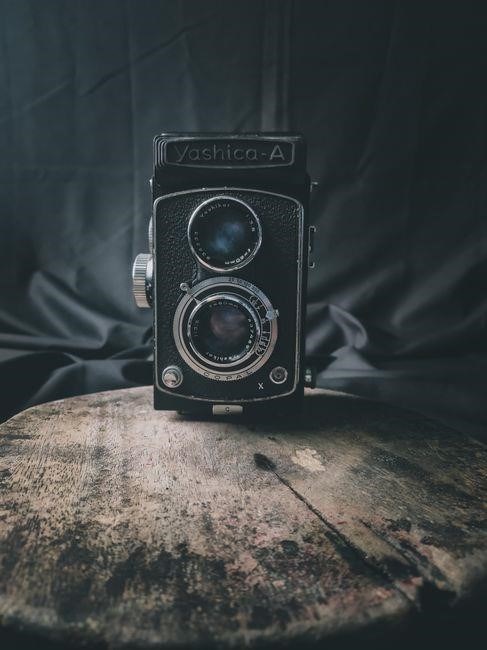
2.3 Shutter System and Speed Range (1–1/500s)
The Yashica MAT 124G features a Copal‑SV mechanical shutter that delivers a reliable 1‑to‑1/500‑second speed range, suitable for most daylight and low‑light situations. The shutter is a single‑blade design with a 1‑second maximum, offering a smooth transition between speeds and a consistent exposure time. The manual explains that the shutter is calibrated to maintain accurate timing across the full range, with a built‑in light meter that compensates for exposure variations. Users are instructed to check the shutter speed by observing the shutter indicator on the front plate, ensuring the correct setting before loading film. The manual also details the procedure for resetting the shutter after power loss, which involves pressing the reset button and verifying the indicator returns to the default position. Maintenance tips include cleaning the shutter curtains with a soft brush and avoiding contact with the internal gears. The manual warns that the shutter can wear over time, leading to slightly slower speeds; if this occurs, a professional service is recommended. Battery replacement is required for the electronic control, and the manual specifies a 1.5 V AA battery, which should be replaced when the shutter indicator shows a low‑power warning. The shutter’s durability is highlighted, with a typical lifespan of 50,000 exposures under normal use. The manual also includes troubleshooting steps for shutter lag, mis‑timing, and clicking noises, providing clear diagrams of the shutter assembly and recommended service intervals. By following the manual’s guidelines, users can maintain the shutter’s performance and ensure accurate exposure for every shot, making the MAT 124G a dependable tool for medium‑format photography.
Using the Yashica MAT 124G
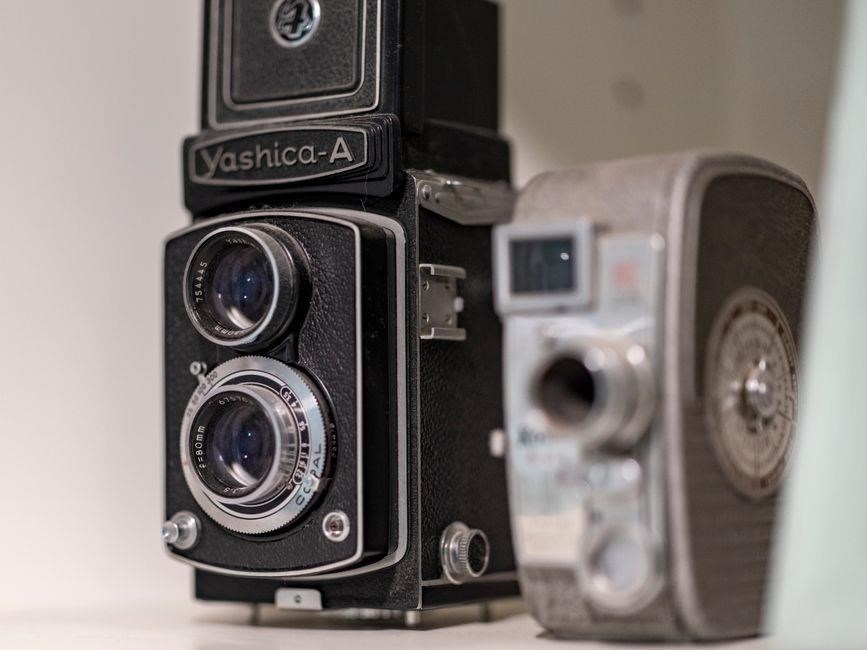
The manual guides users through operating the twin‑lens camera: select the desired shutter speed, set the exposure meter, and lock the viewfinder. It explains how to frame with the 35 mm f/3.5 lens, advance film, and use the built‑in light meter for accurate exposure.
3.1 Film Format and Loading (120/220, 12 or 24 exposures)
The Yashica MAT 124G manual details the twin‑lens camera’s film loading procedure for both 120 and 220 rolls, accommodating 12‑exposure and 24‑exposure formats. To load a 120 roll, open the back door, insert the film cartridge with the leader pointing toward the camera, and advance the film until the first frame aligns with the frame counter. For a 220 roll, the same steps apply, but the film is wound in a continuous loop, allowing the camera to capture 24 exposures without rewinding. The manual instructs to set the film speed (ISO) before loading, ensuring the meter reads correctly. After loading, the user must advance the film to the first frame, then lock the back door. The camera’s built‑in film advance lever will automatically move the film to the next frame after each exposure. If the film is loaded incorrectly, the manual warns of potential mis‑exposure and recommends checking the film leader and frame counter alignment. Proper loading also involves winding the film to the end of the roll and securing the rewind knob. The manual provides a step‑by‑step visual guide, including diagrams of the film path, to help users avoid common mistakes. By following these instructions, photographers can reliably capture images with the MAT 124G’s twin‑lens system. Keep the cartridge wound to avoid jams during shooting easily Keep the film advance lever’s position after each exposure to ensure it returns to neutral; otherwise the next frame may be mis‑aligned, causing exposure errors that are hard to correct!!
3.2 Exposure Settings and Metering Methods

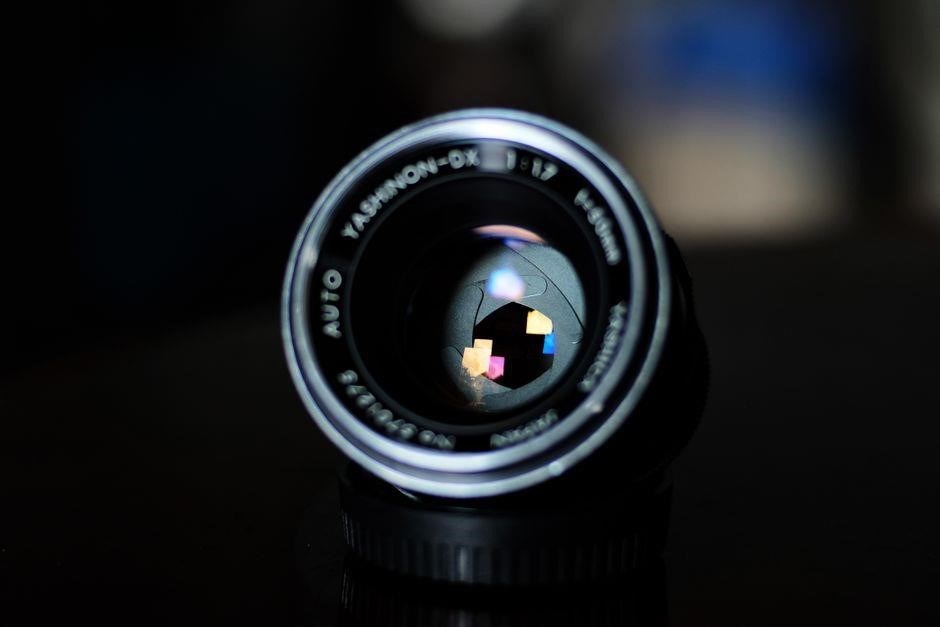
The Yashica MAT 124G manual explains exposure using its built‑in incident light meter. After loading film, set ISO on the dial; the meter auto‑adjusts to the selected speed. The shutter selector ranges from 1 s to 1/500 s. For daylight, 1/125 s at ISO 100 is typical; for low light, use 1/30 s with higher ISO. The meter shows a green “good” indicator when exposure is correct; red “under” or “over” warns of mismatch. Lock the reading before shooting to keep exposure constant. To adjust exposure, turn the compensation dial: +1 or +2 for over‑exposure, –1 or –2 for under‑exposure. The manual notes that neutral‑density filters are read by the meter, and the camera will compensate automatically. For flash, switch to “flash” mode; the meter uses the pre‑flash to calculate the correct exposure. After each shot, check the exposure indicator, especially in variable lighting, to avoid cumulative errors across a roll. The meter is incident‑light, measuring light falling on the subject, not reflected light. It uses a silicon photodiode and a built‑in calibration routine. The camera’s exposure indicator is a small LED that lights green, amber, or red depending on the meter reading. If the indicator is amber, the exposure is marginal; the photographer should adjust the dial or shutter speed accordingly. The manual also describes how to reset the meter by turning the ISO dial to 0 and back to the desired speed. To recalibrate, press the button on the back and set the ISO dial. The meter will recalibrate to the ISO, ensuring exposure across the roll. By following these steps, photographers can reliably achieve accurate exposure with the MAT 124G’s twin‑lens system. Now!.
3.3 Maintenance and Care (Cleaning, Battery Replacement)
The Yashica MAT 124G manual stresses routine maintenance to keep the twin‑lens camera in peak condition. Begin by opening the back plate and gently removing any dust from the shutter mechanism and film plane with a can of compressed air. Never blow directly on the lens; instead, hold the can at an angle. Use a microfiber cloth dampened with a 50:50 mix of water and isopropyl alcohol to wipe the exterior of the camera body, the lens mount, and the shutter release. Avoid abrasive cleaners or direct contact with the lens elements; a microfiber cloth is safest. For the lens itself, use a lens cleaning tissue and a small amount of lens cleaning solution; wipe in a direction from the center outward. Allow the lens to dry completely before re‑assembling. The manual also advises inspecting the twin‑lens assembly for scratches or haze; replace any defective element with a new Yashica 35 mm f/3.5 part. Battery replacement is straightforward: the camera uses a single CR‑2032 lithium coin cell. Open the battery compartment, remove the old cell, and insert a new CR‑2032, ensuring correct polarity. After replacement, close the compartment and test the meter indicator; if it does not light, check the battery orientation and replace if necessary. Store the camera in a dry place and keep it in padded case when not in use. Regular daily cleaning and timely battery replacement will keep the MAT 124G operating for years.
Resources and Support
Download the official Yashica MAT 124G manual PDF from the Internet Archive (ark:/13960/t61642w2s). Common PDF issues include corrupted files; solutions involve re‑download or using a different viewer. A free repair manual is also available. Yashica forum helps now!. More.
4.1 Official Manual Download (PDF, Internet Archive)
To start the download, click the “Download” button on the archive page. The file will be saved as Yashica_MAT124G.pdf. For a higher‑resolution copy, use the “Download (Original)” link. The 3 MB PDF opens with Foxit, or any standard viewer. Copy the file to a USB drive or print a hard copy for offline use. The manual is available in German; select the appropriate language link. If pages appear corrupted, re‑download the file. archive’s metadata lists upload date (2020‑10‑11) and file size, which helps verify integrity. For reference
4.2 Common PDF Issues and Solutions
The Yashica MAT 124G manual, sourced from the Internet Archive, occasionally presents several PDF‑related challenges. Below are the most frequent problems and practical fixes that keep the manual usable for photographers and collectors alike.
- Corrupted or incomplete download – If the file fails to open or displays garbled text, re‑download the PDF from the archive’s “Download (Original)” link. Verify the file size (≈3 MB) matches the archive’s metadata.
- Printing issues (scale, bleed, or missing pages) – Use the “Print as Image” option in the PDF viewer to preserve layout. For page‑by‑page printing, enable “Fit to Printable Area” and disable headers/footers.
- Slow performance on low‑spec devices – The manual contains high‑resolution images. Disable image rendering in the viewer’s settings or convert the PDF to a lighter format with tools like Ghostscript.
- OCR errors in searchable text – The archive’s OCR layer may misinterpret characters. Re‑run OCR with ABBYY FineReader, and then replace the text layer in the PDF.
- Compatibility with older operating systems – If the PDF refuses to open on legacy OSes, download the “PDF‑1.4” version from the archive’s older revisions or use a virtual machine with a recent viewer.
When all else fails, contact the archive’s support forum or consult the Yashica community on dedicated photography boards for alternative links or a printable PDF copy.
4.3 Repair Manual and Community Support
Yashica MAT 124G manual is a comprehensive guide that details every aspect of the twin‑lens camera, from initial setup to maintenance. The PDF, available through Internet Archive, includes a clear table of contents, a glossary of terms, and step‑by‑step instructions for loading 120/220 film, selecting exposure settings, and operating the 1–1/500 s shutter; It also provides troubleshooting tips for common issues such as shutter failure, meter misreading, and lens alignment. The manual recommends using a CR‑2 battery, and explains how to replace it safely. For lens care, it advises cleaning 35 mm f/3.5 elements with a microfiber cloth and lens solution, warns against alcohol on anti‑reflective coating, and shows how to disassemble mount for deep cleaning. The repair section includes diagrams of shutter mechanism, part numbers for replacement leaf assemblies, and torque specifications for motor. It also lists serial number locations for warranty verification. Community support is highlighted through links to forums such as 4DCam and DPReview, where users share repair experiences, parts sourcing tips, and firmware updates. Additionally, the manual points to repair manual PDF hosted on Internet Archive, offering detailed schematics for advanced repairs; Users can download manual in PDF format, view online, or print for offline reference. Manual’s clear layout and thorough explanations make it indispensable resource for both novice and experienced photographers who own Yashica MAT 124G. Its diagrams aid repairs. The manual’s diagrams illustrate the shutter’s leaf assembly, the meter’s exposure range, and the lens mount’s adjustment screws, making troubleshooting straightforward. Photographers appreciate the clear step‑by‑step layout and the inclusion of part numbers for quick sourcing Enjoy;









Leave a Comment